


Signs You May Need Professional Teeth Cleaning Before It Gets Worse
Most people brush twice a day. Floss sometimes. Rinse, spit, done. And honestly, that feels like enough, right? Then, out of nowhere, a dentist says the words gum disease and your stomach drops. You think, how? I brush every single day.
Here is the uncomfortable bit. Brushing only reaches about 60% of your tooth surfaces. The rest sits quietly collecting plaque, then tartar, then trouble. Professional teeth cleaning services are not just a luxury or something you do before a wedding. They are how you deal with the 40% your toothbrush never touches. These are the signs your mouth is asking for help.
Your Gums Bleed When You Brush
A bit of pink in the sink. Easy to ignore. Most people blame it on brushing too hard or a new toothbrush. And sometimes, yes, that is the reason.
That is your gums reacting to bacteria that have set up camp along the gum line and will not leave on their own.
The medical word is gingivitis. It is the starting point of gum disease, and the thing about gingivitis is that it is actually fixable. Catch it here, get it cleaned properly, adjust your routine, and it goes away. Leave it alone, and it turns into periodontitis, which is a different thing entirely. Bone loss. Loose teeth. Treatment that takes months, not a single appointment.
Bleeding gums are not dramatic. They are just a signal. A quiet one that most people ignore for way too long.
That Smell Is Not Going Away
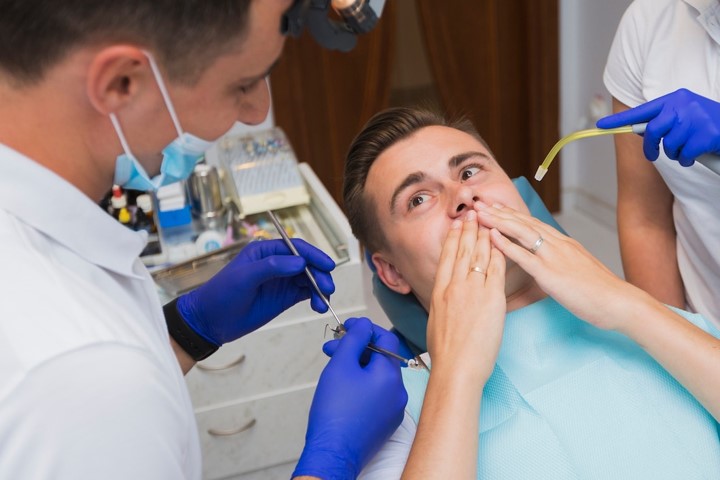
Coffee breath fades. Garlic pasta breath fades. Normal bad breath has a beginning and an end. But some people notice the smell sticks around all day. Mint after mint. Mouthwash every few hours. Still there. That kind of persistence points to something sitting in the gum pockets and between teeth, not something sitting on the tongue.
Bacteria in those hidden spaces produce sulfur compounds. That is what smells. And a mouth rinse cannot reach them. A dental hygiene appointment can. The cleaning physically removes what is causing the problem rather than temporarily covering it.
Suppose you are honest with yourself and think, yeah, my breath has been a bit off for a while, that is worth acting on. Bad breath treatment in Guildford usually starts with exactly this: a proper clean, not a prescription.
You Can See Build-Up at the Base of Your Teeth
Pull your lip back and look. If you can see a yellowish or slightly brownish layer sitting right at the gum line, that is tartar. Also called calculus, though that name makes it sound more academic than it is.
Here is the thing about tartar. Once plaque has hardened into it, your toothbrush does absolutely nothing. It is mineralized. Only a scaler, which is the little metal tool a hygienist uses, can remove it.
And tartar does not just sit there looking unpleasant. It irritates the surrounding gum tissue. It creates more surface area for bacteria to cling to. Over time, it pushes the gum away from the tooth. Seeing it is not just a cosmetic issue. It means the process has already started.
Hot and Cold Drinks Are Suddenly Uncomfortable
Teeth sensitivity has a few causes. Whitening treatments, enamel wear, and cracked teeth. But sensitivity that appears without any obvious reason when nothing has changed in your routine is worth investigating.
Receding gums are a common culprit. When the gum pulls back, the root of the tooth becomes exposed. Roots do not have enamel. They feel everything. And gum recession is frequently linked to long-term tartar build-up and untreated gum inflammation.
A dental hygiene appointment will check for this. It is not about pain management; it is about figuring out why the gum line has moved and whether it is still moving.
Your Last Clean Was Over Six Months Ago

What a routine clean involves:
- Scaling to remove hardened tartar above and below the gum line
- Polish to clear surface staining and smooth enamel
- Gum pocket measurements to spot early changes before they worsen
- Personalized advice based on your actual mouth, not a generic leaflet
Six months is the general recommendation. For smokers, people with diabetes, or anyone with a history of gum problems, three to four months is often more appropriate. If you are in the "I haven't been in years" camp, no judgment. Life, cost, anxiety, all of it is real. But the longer the gap, the more has built up and the more a single session has to work through.
Conclusion
Pain is not the starting gun. Most dental problems build slowly in silence and only announce themselves once they have been going on for quite a while. The signs above are earlier than that. They are the stage where intervention is quick, affordable and effective.
Act on one of these early signals, and a hygienist appointment might be all that is needed. Ignore them, and the next appointment gets longer, more involved and harder to afford.
Guildford Dental Practice offers professional cleaning, gum health assessments and practical advice for patients at every stage, whether it has been six months or six years since the last visit. Book before it gets harder to fix.
Frequently Asked Questions
How often should I get professional teeth cleaning services done?
Every six months works for most healthy adults. If you smoke, have a history of gum disease, or have been told your pockets are deeper than normal, your hygienist may suggest every three to four months instead.
My gums only bleed sometimes. Does that still count?
Occasional bleeding is still a sign of gum inflammation. It does not need to happen every time to be worth mentioning at your next dental hygiene appointment.
Can bad breath treatment in Guildford actually fix persistent halitosis?
In most cases, yes. When bad breath comes from bacteria in gum pockets or calculus build-up, a professional cleaning removes the source. Mouthwash does not. If the smell persists after treatment, your dentist can investigate further causes.
Is the cleaning painful?
For people with healthy gums, it is mostly pressure and scraping sounds rather than pain. If gums are inflamed, there can be some brief sensitivity. A good hygienist will check in with you and adjust as needed.
Comments (06)
Leave A Reply