


How Often Should You Book a Dental Hygiene Appointment in Guildford?
Most people book a dentist appointment when something hurts. That is just human nature. But here is the thing: by the time your gum is throbbing or your tooth feels sensitive, the problem has usually been quietly building for months. A regular dental hygiene appointment changes that entirely. It catches what your toothbrush misses and what you cannot see in the mirror.
This blog breaks down how often you actually need to see a hygienist, what affects that frequency and why the answer is not the same for everyone.
The "Every Six Months" Rule: Is It Still Accurate?
You have probably heard it your whole life. Visit the dentist twice a year. Clean your teeth every six months. It sounds simple, clean, almost too tidy. It's a decent starting point. But it is not a universal rule anymore.
Modern dental thinking has shifted. The frequency of your hygiene visits should be based on your personal oral health, your gum condition, your risk of decay and your medical history. A healthy 28-year-old with no gum issues is not in the same category as someone managing early-stage gum disease or diabetes.
Who Needs More Frequent Visits?
For some people, every three to four months is genuinely the right interval. That includes:
- People with a history of gum disease or periodontitis
- Smokers (nicotine suppresses the signs of gum inflammation, which makes problems easier to miss)
- People with diabetes, as blood sugar fluctuations affect gum health directly
- Anyone wearing braces or Invisalign aligners, where plaque has more places to hide
- Those with dry mouth caused by medications
If you fall into any of these groups, spacing visits out too much gives bacteria more time to do damage. The build-up of tartar, the hardened plaque that only a hygienist can remove, accelerates in these cases. Waiting a full year between cleans would be leaving things far too long.
What Happens During a Professional Clean?
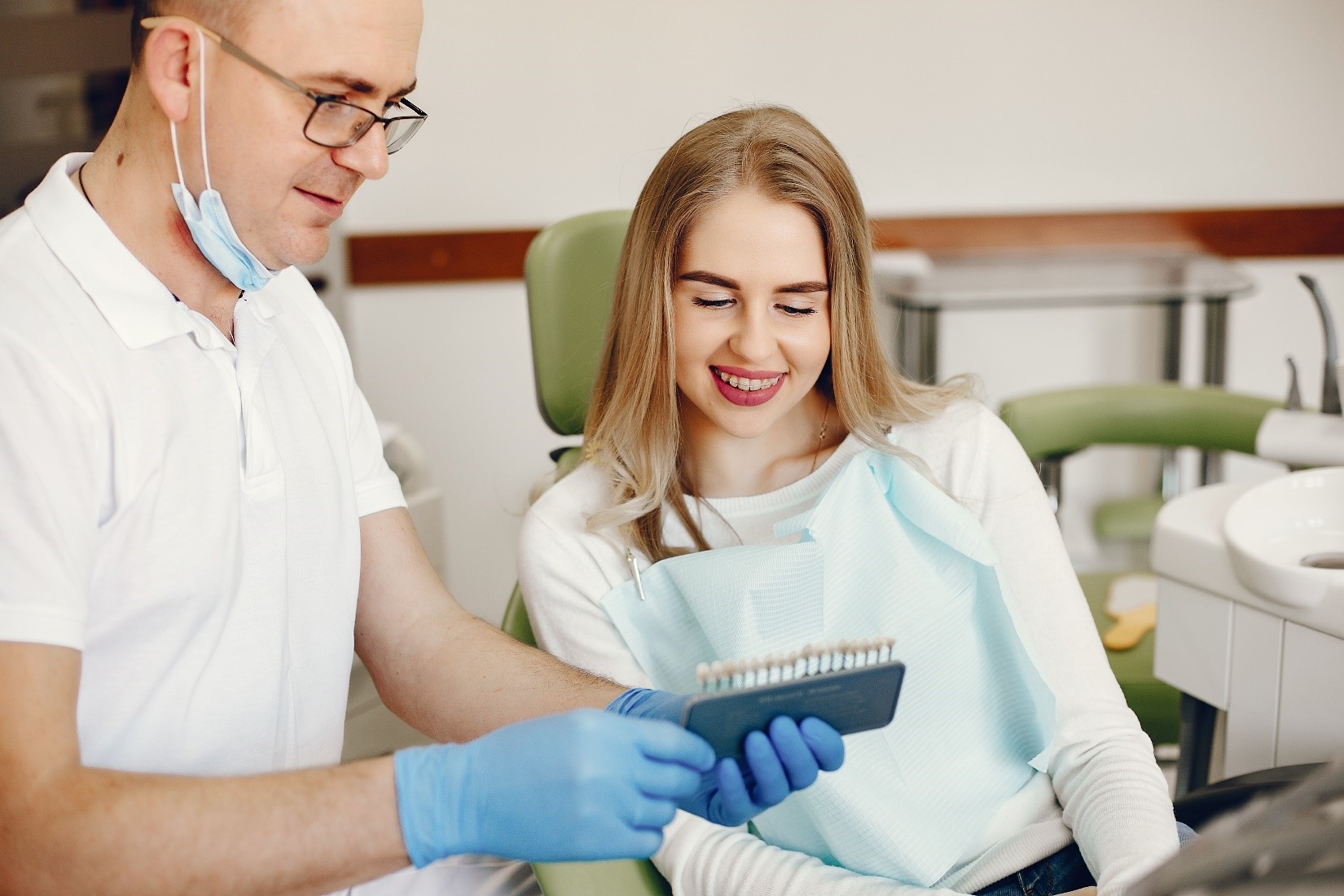
A lot of people are not quite sure what a hygienist actually does during a session, beyond the scraping sound that makes everyone tense up.
A professional clean goes much deeper than your daily brush. The hygienist applies expert tools to scrape off tartar, around as well as beneath the gum line. That is the matter that rests peacefully between the teeth and has not been removed by floss or electric brushes. They also smooth the surface of your teeth, and this eliminates the light staining and the plaque reattaches more slowly.
Some practices now offer more advanced teeth cleaning services using air-flow technology, which blasts away biofilm and staining without the scraping. It is noticeably gentler and has become popular for patients who are anxious about the traditional approach.
The Low-Risk Patient: Once or Twice a Year?
When your home care is regular, and you have never had a dental practice, and your gums are healthy, then twice a year would be sufficient. A dentist will tell some patients who have excellent oral hygiene and low decay risk that once a year is ok. However, here is a little warning. Regularity is more important than frequency. A visit once a year is much better than three visits in a good year, and a break of two years in the life got in the way. The gap is where the damage quietly compounds.
The Part Most People Skip: Gum Health Monitoring
Here's what often gets overlooked. A hygiene appointment is not just about cleaning. It's also a monitoring system.
Gum disease is painless in its early stages. Genuinely painless. People are shocked when they're told their gums have started to recede or that there is pocket depth forming around their back molars. They had no idea because it did not hurt.
That is not meant to scare anyone. It's just worth knowing the full picture.
A Realistic Plan for Most Adults

Most adults would do well with two hygienist appointments per year, combined with a dental check-up at least once annually. If you have any of the risk factors mentioned earlier, bump that up to three or four hygiene visits without hesitation.
The most important thing is to actually go. Consistently. Without long unexplained gaps.
Your hygienist will tell you what they recommend for your specific situation after the first visit. Trust that guidance over any general rule.
Conclusion
Dental hygiene is not complicated. But it does require showing up regularly, before problems start, rather than after.
Your optimal frequency is between once and four times a year, varying depending on the health of your gums, lifestyle and individual risk factors. Most healthy adults should have a reasonable opportunity of two visits each year, though more frequent visits might be suggested to those who are dealing with gum disease, have orthodontic appliances or have health conditions that influence the mouth. Guildford Dental Practice is a professional teeth cleaning service and offers customized hygiene in the center of Guildford. You may be overdue for a regular cleaning or may not have had one in a long time, but making a hygienic appointment is one of the simplest things that you can do to be healthy in the long run.
Frequently Asked Questions
How often should I book a dental hygiene appointment?
For most adults with healthy gums, twice a year is a good baseline. If you have gum disease, wear braces, smoke, or have diabetes, every three to four months is typically recommended.
What is included in a professional teeth cleaning service?
A professional clean removes tartar build-up, polishes tooth surfaces, checks gum health, and often includes personalised brushing and flossing advice. Some practices also offer air-flow polishing for a gentler experience.
Is a hygiene appointment different from a regular dental check-up?
A check-up is carried out by a dentist and assesses your overall oral health, including teeth, gums, and mouth tissues. A hygiene appointment focuses specifically on cleaning and gum care, though both are important.
Can I book a hygiene appointment without seeing a dentist first?
In many practices, yes. A direct-access hygienist can see patients without a dentist referral. It's worth confirming this when booking, as policies vary between practices.
Comments (06)
Leave A Reply